
Bay City
Traverse City
Powering up your shed, garage, or barn? Do it right from the start. Whether you’re installing lights in a shed, running power to a detached garage, or converting a backyard structure into a home office, your exterior building needs its own dedicated electrical circuit, often its own sub panel too.
At BTE Electric, we install safe, code-compliant circuits for all types of exterior buildings. We help you avoid overloads, voltage drops, and code violations so you can use your outbuilding the way you planned, without surprises.
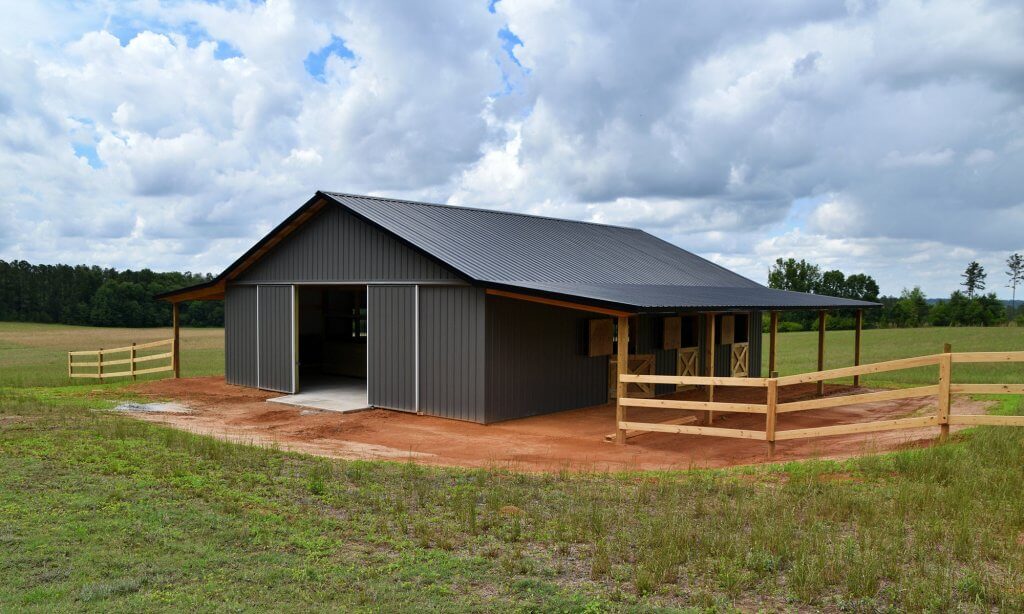
Any structure on your property that’s physically separated from your home is considered an outbuilding or “separate structure” by the electrical code.
This includes:
Once a structure is detached, it requires its own branch circuit from your main panel, along with specific grounding and safety protections.
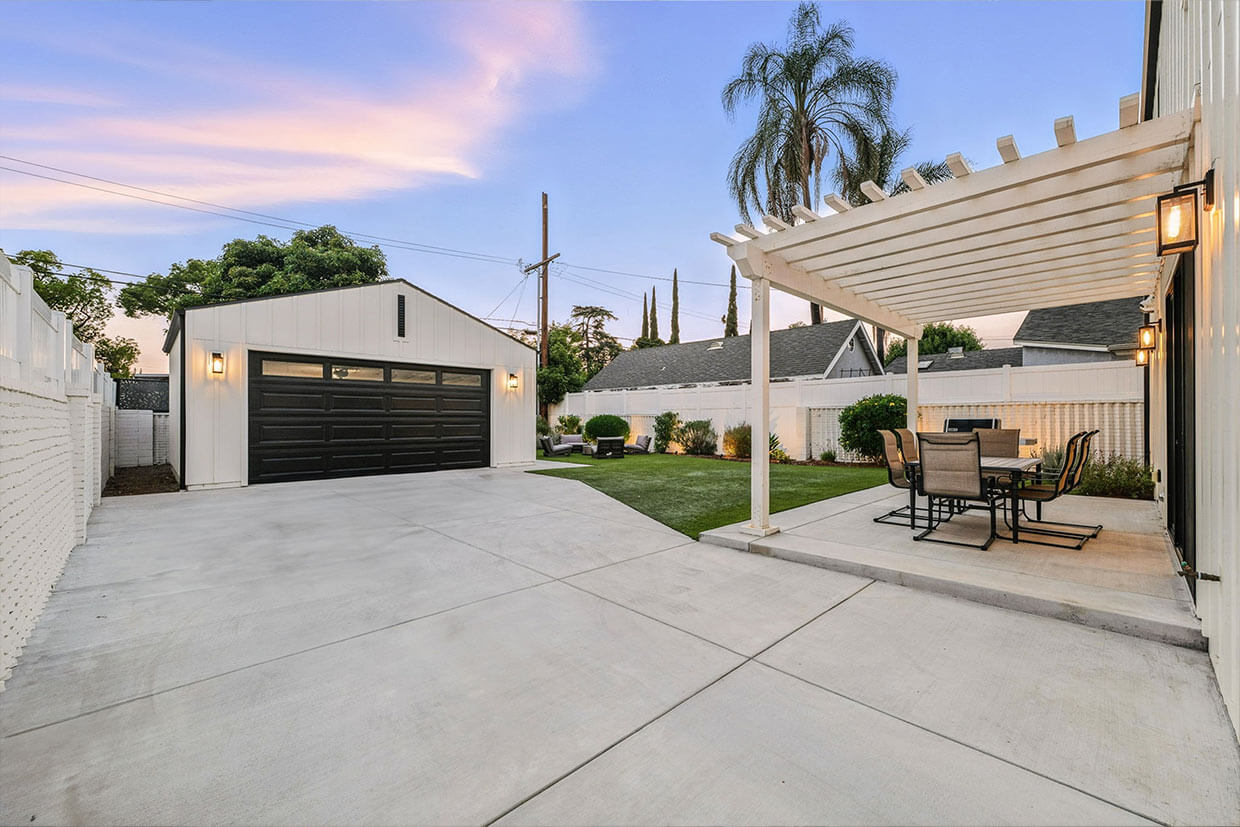
ANSWER: The NEC has clear rules about supplying power to exterior buildings. Here’s what’s typically required:
We’ll walk you through what’s needed based on how you’re using the building, whether it’s just for lights or a full-on workshop with power tools.
ANSWER: Every setup is a little different, but here are some of the most common we install:
1. Single-Circuit Feed
Great for sheds or smaller buildings with minimal power needs. Includes:
2. Multi-Circuit Sub Panel
Best for detached garages, workshops, or pool houses. Includes:
3. Large Building or ADU Feed
For backyard offices, guest suites, or tiny homes:
We design your system to match your building’s current use and allow for upgrades in the future.
ANSWER: Running wire to an exterior building usually involves trenching. We handle:
We also coordinate with utility locators (and have our own utility marking tool) and work to minimize impact on your landscaping.
ANSWER: Costs vary based on distance, panel size, trenching requirements, and number of circuits. General ranges:
We’ll always provide a clear, written estimate that explains exactly what’s included.
ANSWER: Improperly installed circuits to sheds, barns, or garages are one of the most common code violations we see. It’s also where we see:
We fix these issues all the time. Doing it right from the start protects your property, avoids safety issues, and ensures your investment pays off.
Whether you’re just running lights to a new shed or powering an entire detached workshop, we can help. Contact BTE Electric today to schedule a consultation and get a quote on exterior building circuits. Let’s get power where you need it, done right the first time.