
Bay City
Traverse City
If your home has lights that are constantly left on such as: closets, bathrooms, basements, or laundry rooms, occupancy sensors may be the perfect solution.
Unlike regular motion sensors, occupancy sensors detect when someone enters and stays in a room, and they keep the light on for as long as someone is there. Once the room is empty, the lights shut off automatically after a short delay.
At BTE Electric, we install occupancy sensors for homeowners across mid-Michigan looking for greater convenience, energy savings, and a smarter way to light their homes.
Here are just a few of the situations we hear from customers:
These sensors are especially popular in busy homes where convenience and efficiency matter.
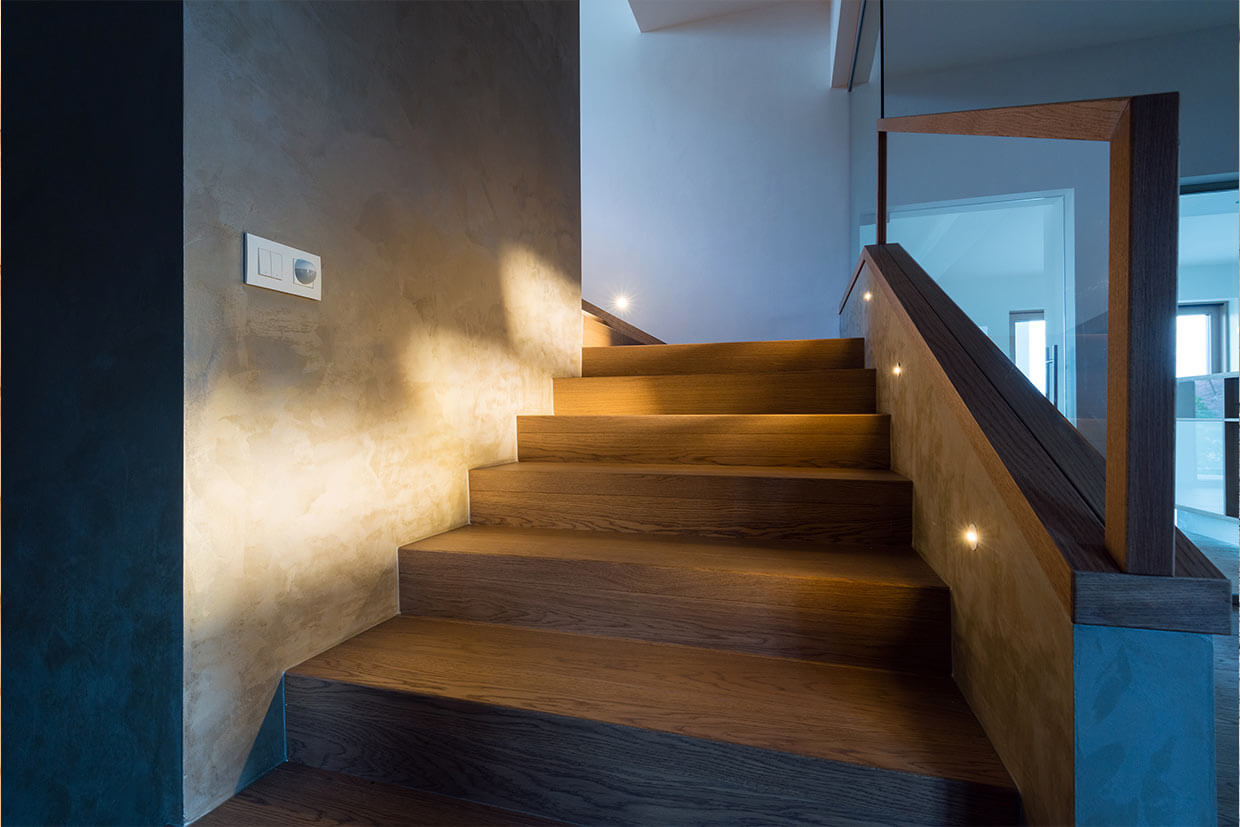
ANSWER: Occupancy sensors are ideal in high-traffic or often-forgotten areas. The most common installations include:
We’ll help you choose the right type of sensor based on room size, usage, and lighting style.
ANSWER: Homeowners often ask this, so here’s a quick explanation:
Some homeowners prefer vacancy sensors in bedrooms or media rooms where they want control over when lights turn on, but still want the benefit of auto shutoff.
We install both. If you’re not sure which is best for your space, BTE Electric can walk you through your options.
ANSWER: There are several types of occupancy sensors, each designed for specific environments:
We only install sensors that are rated for residential use and meet code requirements.
ANSWER: There’s no general code requiring occupancy sensors in homes (outside of some energy efficiency mandates in commercial settings), but all installations must meet the National Electrical Code (NEC) and local safety standards.
That includes:
BTE Electric makes sure your sensors are installed cleanly, safely, and without unexpected flickering, buzzing, or failure.
ANSWER: Occupancy sensors are a relatively low-cost upgrade that quickly pays for itself in energy savings. Here’s what you can expect:
Pricing depends on whether we’re replacing an existing switch or wiring a new location. We’ll give you an honest quote with no surprises.
ANSWER: Yes, but the sensor and the light fixture must be compatible. We’ll make sure your setup avoids flickering or ghosting.
ANSWER: Good question. Some sensors detect only motion, while others also detect presence through heat or sound. We’ll help you choose the right sensor for the job.
ANSWER: Yes. Most wall-mounted sensors include manual override switches.
ANSWER: Absolutely. We regularly design circuits where one sensor operates all the lights in a room or zone.
If you’re tired of lights being left on, or wish your home could be just a little more convenient, occupancy sensors are a great place to start. Call BTE Electric today to schedule a consultation or installation. We’ll help you save energy, simplify your lighting, and get the job done right the first time.