
Bay City
Traverse City
We know keeping your home safe is a top priority, especially with young children or in areas like bathrooms and kitchens. Safety outlets, like GFCI and tamper-resistant outlets, can prevent electrical hazards, but you might have questions about their benefits, costs, or installation. We’re here to answer all your questions openly, so you can make the best choice for your family.
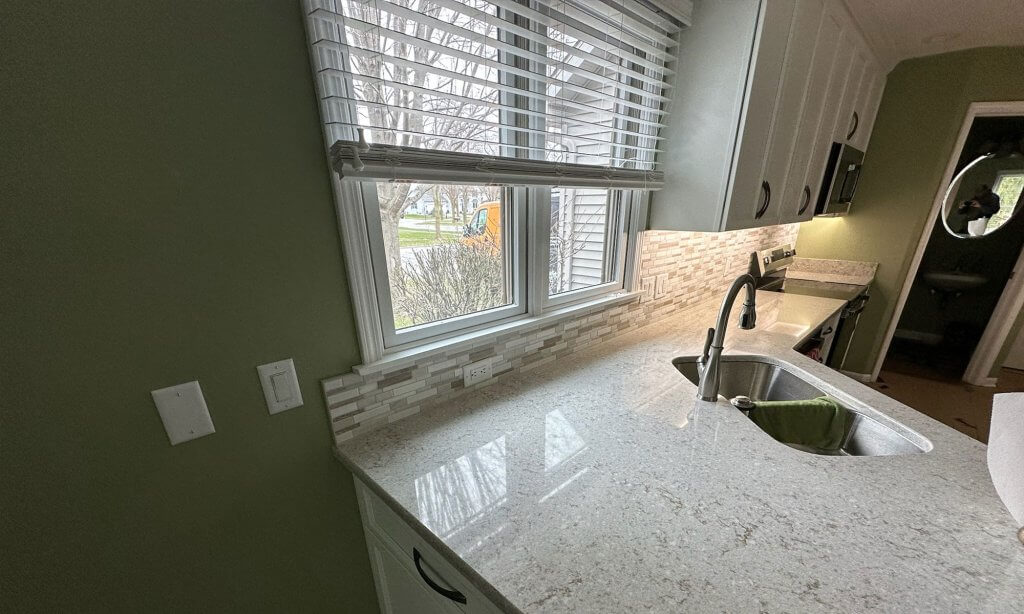
If you’ve heard the terms GFCI, AFCI, or tamper resistant but aren’t sure what they mean, you’re not alone. These are all types of “safety outlets”—specialized electrical receptacles designed to protect people and property from electrical hazards like shock, fire, or accidental contact.
If you’re upgrading your home, adding new outlets, or selling your house, installing safety outlets is often not just a smart move—it’s required by modern electrical codes.
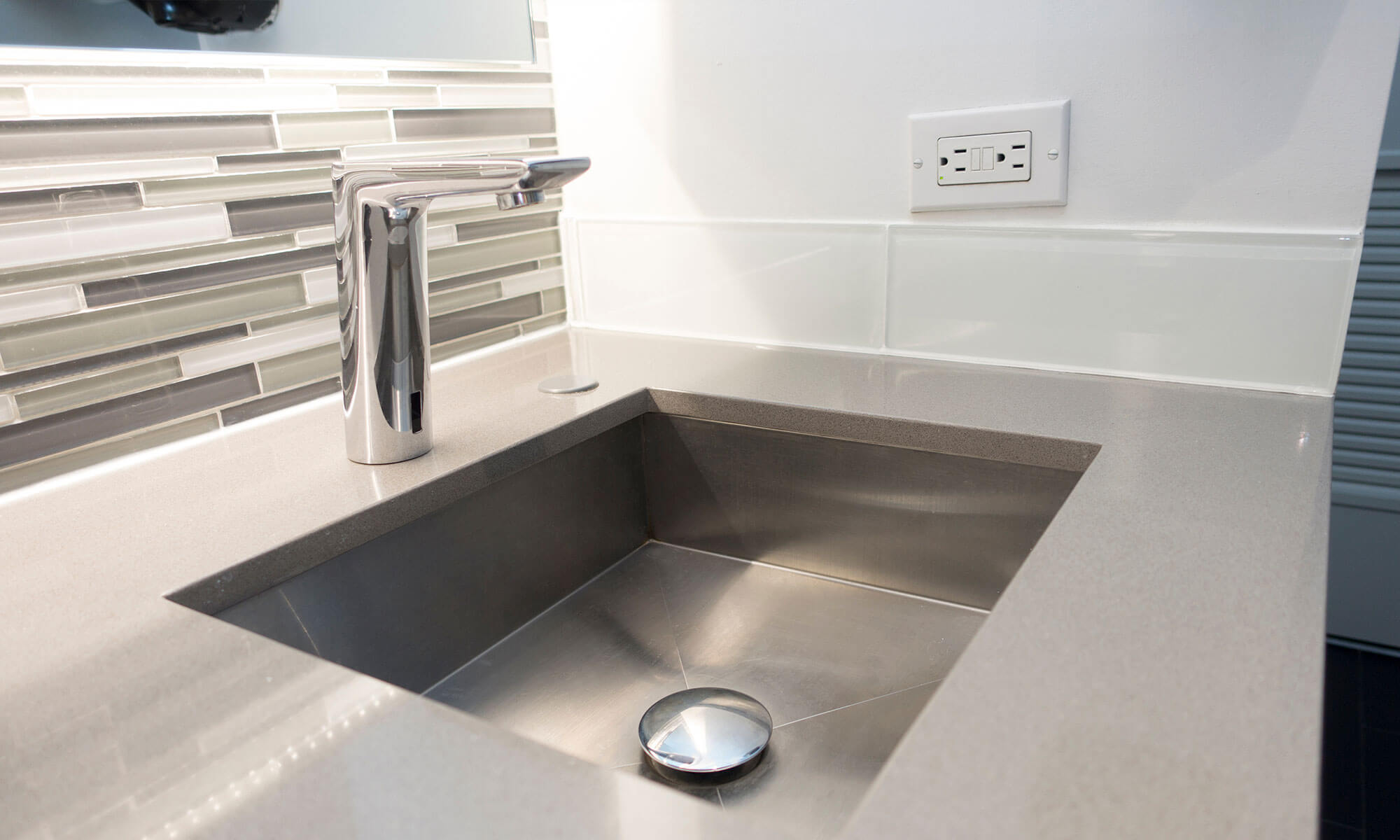
ANSWER: “Safety outlet” is a general term for outlets that include built-in protection features beyond standard power delivery. The three main types are:
GFCI (Ground Fault Circuit Interrupter)
Shuts off power instantly if it detects an imbalance in current—protecting you from shock, especially around water. They are required in: Bathrooms, kitchens, garages, outdoors, laundry areas, and basements.
AFCI (Arc Fault Circuit Interrupter)
Detects dangerous arcing (sparks between wires) and shuts off power to prevent electrical fires. Some jurisdictions require them in: bedrooms, living rooms, hallways, and many general living spaces in homes
Tamper Resistant Outlets (TR)
Have built-in shutters to prevent kids from sticking objects into the outlet. They are required in nearly every area accessible to children, per NEC.
ANSWER: Electrical accidents are one of the top causes of house fires and injuries—especially in older homes.
These outlets are designed to: prevent electric shock, reduce fire risk, meet modern safety codes, protect kids from tampering, and add peace of mind for homeowners and guests.
Even if your home was wired before these outlets were required, you can upgrade selectively for better protection without a full rewiring.
ANSWER: You could—but we recommend calling a licensed electrician. Why?
At BTE Electric, we make sure every safety outlet is installed to code, tested, and clearly labeled for inspection or resale purposes.
ANSWER: Here’s a ballpark guide on cost per outlet, these prices can be much less if replacing a larger number of outlets:
We offer free estimates and will walk you through which safety outlets your home needs vs. what’s optional.
ANSWER: We’re not here to scare you into upgrades—we’re here to help you understand your home’s risks, how the code applies, and what it’ll take to make your system safe and compliant.
Whether you’re worried about an old outlet near a sink or preparing for a home inspection, we’re here to help. Give us a call or request a free estimate online—and let’s make your home a little safer, one outlet at a time.